
Living with Chronic Pain Means More Than Just Surviving
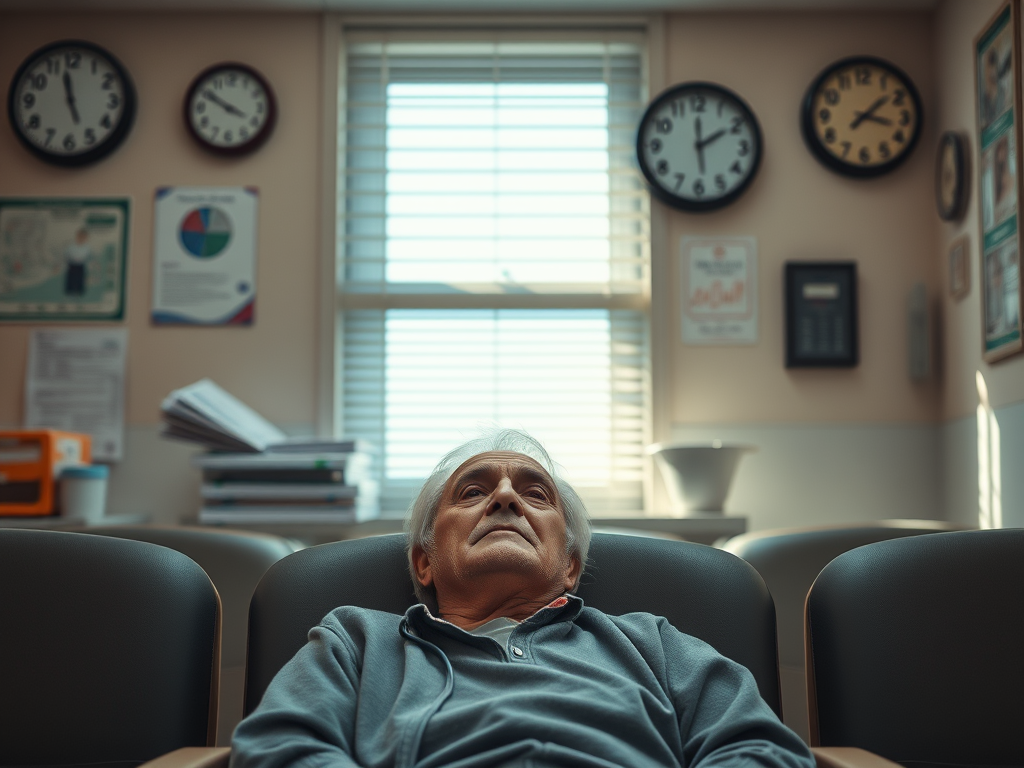
It starts with an early morning alarm, but not for something exciting like a trip or a long-awaited outing. No, it’s another medical appointment—one of many. The reality of living with chronic pain often means that entire days (sometimes weeks) revolve around doctor visits, lab tests, therapy sessions, and navigating insurance red tape.
By the time I’m done waiting in the lobby, answering the same intake questions, explaining my pain levels (again), and making follow-up appointments, I’m exhausted. And that’s before dealing with the pharmacy, the prior authorizations, and the side effects of whatever new treatment has been prescribed.
Where in this schedule is there room to think about “quality of life”? Where does living begin when all my energy is spent just managing my condition?
Quality of Life Is More Than Just Pain Management
Too often, the healthcare system treats pain management as the only goal for those of us living with chronic pain. If we can move from a 7/10 pain level to a 5/10, they consider it a success. But is that really living?
Quality of life is about more than just reducing pain intensity. It’s about:
- Having energy for the things that bring you joy (without guilt).
- Feeling connected to others (instead of isolated by pain).
- Engaging in meaningful activities (not just surviving between appointments).
- Making choices about how to spend your time (instead of being a full-time patient).
So How Do We Reclaim Time for Ourselves?
When chronic pain dominates life, we have to be intentional about carving out time for living. Here are a few ways to start:
1. Protect Small Moments for Joy
Even if your day is packed with appointments, try to claim one small thing that’s just for you—listening to a favorite song in the car, savoring a warm drink, or watching a short video that makes you laugh. These aren’t distractions; they are lifelines.
2. Treat Your Social Life Like a Medical Appointment
We prioritize doctor visits because we have to—but what if we gave social connection the same weight? Whether it’s a five-minute check-in with a friend, a Zoom call with a support group, or a casual text, maintaining relationships should be as non-negotiable as taking medication.
3. Ask: Does This Appointment Actually Improve My Life?
Not every appointment is necessary. Some are just habitual or driven by medical bureaucracy. If you feel like your schedule is nothing but healthcare maintenance, take a step back. Ask your providers, “How will this visit/test/treatment improve my quality of life?” If it doesn’t, reconsider whether it’s worth your time and energy.
4. Advocate for Efficient Care
Doctors should work for you, not the other way around. Ask about telehealth, combined visits, or ways to reduce unnecessary appointments. Some health systems allow labs, imaging, and specialists to be scheduled together, cutting down on the time spent running from place to place.
5. Redefine Success on Your Own Terms
A “good day” doesn’t have to mean being pain-free—it can mean feeling connected, enjoying a small pleasure, or simply having the mental space to think about something other than pain. Success isn’t just about how many appointments you attended; it’s about whether you felt even a moment of fulfillment in between.
A Life Beyond the Waiting Room
Chronic pain may demand attention, but it doesn’t deserve all of our time. Reclaiming a sense of self beyond medical visits isn’t easy, but it’s possible—one small shift at a time.
So the next time your day is packed with doctor visits, ask yourself: What can I do today that makes me feel alive—even if just for a moment? Because managing pain is necessary, but living is essential.
What’s One Thing You Do for Yourself Outside of Medical Care?
I’d love to hear from you! What small moments bring you joy despite the chaos of chronic pain management? Share your thoughts in the comments or reply to this post—your experiences might help someone else find their own moments of joy.
If this post resonated with you, consider subscribing for more reflections on living with chronic pain rather than just enduring it.
Acknowledgment: This post was created with the support of ChatGPT, whose insights helped refine these ideas into a structured, thoughtful piece.