
(This helps me!)
Chronic pain is a complex and deeply personal experience that requires a multifaceted approach to management. Two innovative and empowering tools—positive imaging and virtual reality (VR)—are proving to be effective complements to traditional pain management strategies. These therapies tap into the mind-body connection and the brain’s ability to reshape its response to pain. While neither is a cure, both offer significant relief when actively and consistently used by the individual.
What is Positive Imaging?
Positive imaging is the practice of vividly visualizing desired outcomes, such as reduced pain, emotional well-being, or physical ease. It involves engaging all the senses to create a mental picture that shifts the brain’s focus away from pain signals and toward more positive, healing scenarios.
How Positive Imaging Helps Manage Pain
- Reduces Stress: Visualizing calming scenes lowers stress hormones, like cortisol, which can worsen pain.
- Distracts from Pain: Redirecting the brain’s attention to a positive image reduces the focus on pain signals.
- Promotes Relaxation: Imagining a soothing environment or a healing light helps ease muscle tension and physical discomfort.
- Fosters Empowerment: Positive imaging helps people feel more in control of their pain, countering feelings of helplessness.
How to Practice Positive Imaging
- Find a Quiet Space: Sit or lie down in a comfortable, distraction-free area.
- Focus on Breathing: Take slow, deep breaths to relax your body and mind.
- Create a Mental Picture: Visualize a peaceful scene, such as a beach or forest, or imagine your pain dissolving like a dark mist.
- Engage Your Senses: Add details—hear the waves, feel the sunlight, or smell the flowers.
- Practice Daily: Dedicate 5–10 minutes each day to this exercise for the best results.
What is Virtual Reality?
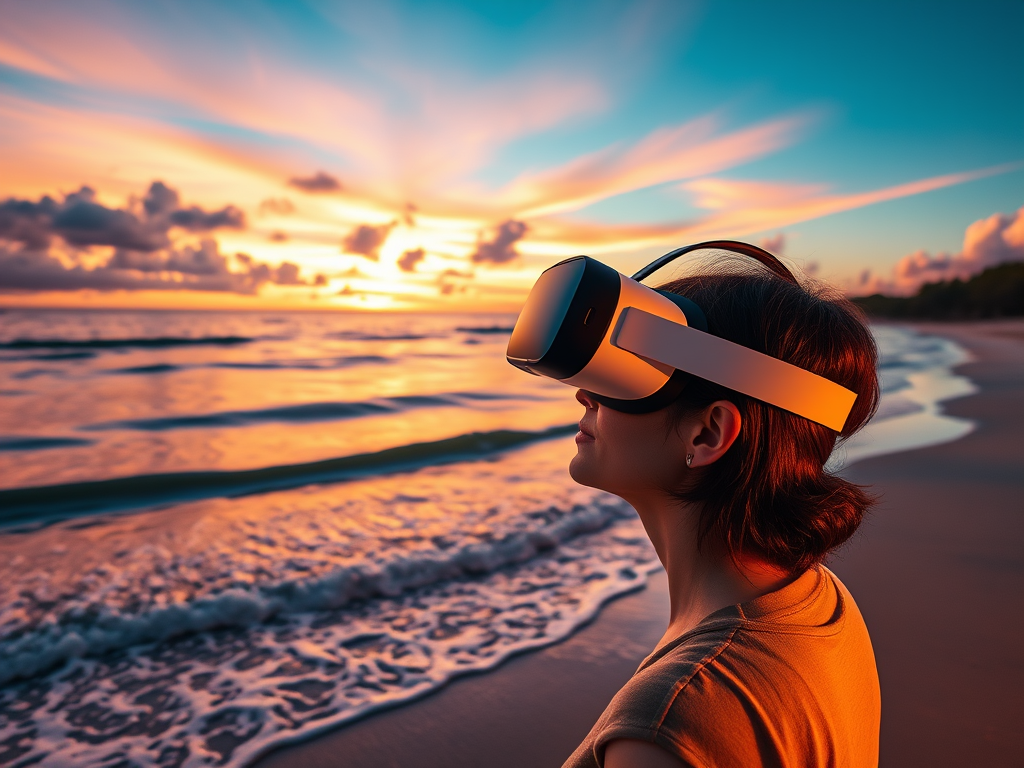
Virtual reality (VR) takes positive imaging a step further by immersing users in computer-generated, three-dimensional environments. Wearing a VR headset, individuals can explore tranquil landscapes, engage in interactive games, or participate in therapeutic exercises, providing a multisensory distraction from chronic pain.
How VR Helps Manage Pain
- Full Immersion: VR captures attention completely, diverting focus from pain signals.
- Alters Pain Perception: Simulated environments can retrain the brain to perceive pain less intensely.
- Encourages Relaxation: Calming VR settings, like beaches or gardens, promote stress reduction and relaxation.
- Customizable and Non-Invasive: VR experiences can be tailored to individual needs, making them a versatile and drug-free tool.
Real-World Successes with VR
- Burn Pain Relief: Programs like SnowWorld help burn patients experience less pain during wound care by immersing them in icy landscapes where they throw snowballs at penguins.
- Chronic Back Pain and Arthritis: VR-guided movement therapy improves mobility and reduces pain perception.
- Post-Surgical Recovery: Patients use VR to reduce reliance on opioids during recovery.
- Phantom Limb Pain Relief: VR creates the illusion of a missing limb, retraining the brain to reduce pain signals.
- Pediatric Pain Management: Children report reduced anxiety and pain during medical procedures when using VR.
- Cancer Treatment Side Effects: Patients undergoing chemotherapy find VR helpful in managing nausea and pain by exploring serene virtual environments.
- Labor Pain Management: VR helps expectant mothers focus on peaceful landscapes, reducing labor pain and anxiety.
Combining Positive Imaging and VR
While each tool is powerful on its own, they can work synergistically for even greater impact. For example:
- Guided Meditative VR Experiences: Use VR to visualize golden light easing pain while immersed in calming visuals and sounds.
- Interactive VR Games: Engage in games that encourage physical movement while offering mental distraction.
- Enhanced Focus with Positive Imaging: Pair positive imaging techniques with VR to reinforce relaxation and pain relief.
What Makes These Tools Work
The effectiveness of positive imaging and VR depends entirely on the user. These tools empower individuals to take an active role in their pain management, but success requires consistency, personalization, and patience. Neither tool is a standalone solution—they are best used as part of a comprehensive pain management plan.
Tips for Success
- Commit to Regular Practice: Consistent use of positive imaging or VR is key to seeing results.
- Personalize Your Approach: Tailor visualizations and VR experiences to your unique preferences and needs.
- Combine with Other Strategies: Use these tools alongside physical therapy, medications, or mindfulness practices.
- Start Small: Begin with short, manageable sessions and gradually increase as you feel more comfortable.
Take Control of Your Pain
Chronic pain doesn’t have to control your life. Positive imaging and VR are tools that place the power in your hands, enabling you to reshape how you experience pain. Whether you choose to visualize a brighter, pain-free future or immerse yourself in a tranquil virtual world, these practices can help you reclaim moments of peace, comfort, and empowerment.
Talk to your healthcare provider to see how these techniques can complement your current pain management plan. Relief may be closer than you think—sometimes, it’s all in how you see it.
(Researched and drafted with the assistance of ChatGPT)