
Los Angeles Chronic Pain
Support and advocacy information for individuals dealing with chronic pain.
Author: paintom
-
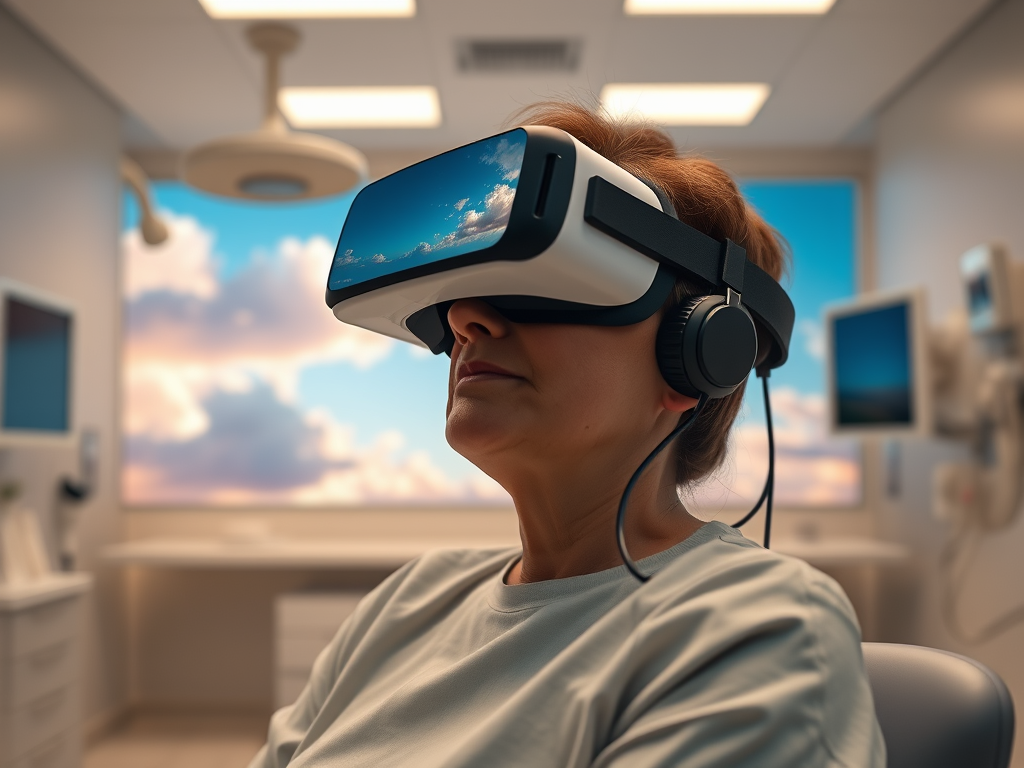
OPINION – The Reality of Bladder Cancer and the Power of Virtual Reality
This morning, I faced the not-so-thrilling experience of checking the progress of my bladder cancer. On my personal list of “Most Unfavorite Things,” having a cystoscope is right up there with a colonoscopy. For those unfamiliar, Google sums it up as: “A cystoscopy is a procedure that allows a doctor to examine the inside of…
-

Starting a Gentle Exercise Program When You Have Chronic Pain
Well, my wife caught me this morning! I was exercising in the bathroom before showering when the door opened unexpectedly. Marianne stood there, laughing at the sight of my trying to exercise and moving to the beat of disco. I couldn’t blame her. It’s not every day you see someone doing gentle stretches in their…
-

OPINION: Navigating Political Challenges
(while advancing chronic pain advocacy, patient empowerment, and patient engagement and prioritizing your health, sanity, safety, and financial security) (Drafted with help of ChatGPT AI; final edits are mine!) Navigating a challenging political climate while living with chronic pain can feel overwhelming, especially when policies directly affect your health, financial security, and access to care.…
-

OPINION: Empowerment and Engagement:
Building a Collaborative Foundation for Patient-Centered Care (Edited with the assistance of AI) Patient empowerment and patient engagement are two interconnected pillars in modern healthcare, each playing a critical role in improving patient outcomes and experiences. While they share similar goals, they address different yet complementary aspects of the patient journey. Understanding their interplay can…
-

OPINION: Why I Continue to Facilitate Chronic Pain Support Groups After 27 Years:
Stories, Struggles, and Hope For 27 years, I have facilitated chronic pain support groups, creating spaces where individuals can find connection, understanding, friendship, support, and hope. Chronic pain impacts every facet of life—physical, emotional, and social—and these groups serve as a refuge where people can share their experiences without fear of judgment. My journey into…
-

OPINION – Engaging People with Lived Experience (PWLE) in Clinical Trials: A Framework for Transformation
Abstract Clinical trials hold incredible potential to improve lives, but too often, they fall short of addressing the real-world challenges faced by participants. Engaging People with Lived Experience (PWLE)—those directly affected by the conditions being studied—can change this by ensuring research is meaningful, inclusive, and impactful. Drawing from principles like Deming’s quality management, Toyota’s Genchi…
-

OPINION – High Impact Pain (HIP)
(Researched and written with the assistance of AI) High Impact Chronic Pain (HICP) is a severe form of chronic pain that persists for more than three months and significantly disrupts an individual’s ability to lead a functional life. Unlike general chronic pain, HICP goes beyond physical discomfort to affect daily living, work, social interactions, and…
-

OPINION – The Intricate Relationship Between Fatigue and Chronic Pain: Understanding and Managing Both
Written with AI assistance Living with chronic pain often comes with a hidden but equally debilitating companion: fatigue. This overwhelming, persistent exhaustion goes far beyond typical tiredness, affecting daily functioning and quality of life. Understanding the connection between chronic pain and fatigue is crucial to managing these intertwined challenges effectively. The Link Between Chronic Pain…
-

OPINION – Multidisciplinary or Interdisciplinary Team Approach – What is it and How can it Help People with Chronic Pain
A multidisciplinary or interdisciplinary team approach involves a group of healthcare providers from different specialties working together to provide comprehensive care for a patient. While both terms are often used interchangeably, there are distinctions: Multidisciplinary Team: Specialists work independently but in parallel, sharing information about the patient. Interdisciplinary Team: Specialists collaborate closely, integrating their expertise…
-

OPINION – The Importance of Sleep in Managing and Healing Chronic Pain
Living with chronic pain can feel like a vicious cycle: pain interferes with sleep, and poor sleep intensifies pain. Research shows that adequate, restorative sleep is essential for managing chronic pain. During sleep, your body performs critical tasks such as repairing tissues, reducing inflammation, and resetting your nervous system. Without quality sleep, these processes are…
-
Opinion – What People Living with Chronic Pain (People with Lived Experience – PWLE) Can Do to Support Research and Advocacy
Edited and Researched by ChatGPT 4.0 Living with chronic pain brings unique challenges, but your experience also gives you a powerful voice in the movement to advance research, improve treatments, and raise awareness. Here are specific ways you can act: 1. Share Your Story Write About Your Experience: Share your journey with chronic pain through…
-
Opinion – Interagency Report on Non-Pharmacological Treatments for Chronic Pain Management
(Created with the assistance of ChatGPT) The Interagency Report on Non-Pharmacological Treatments for Chronic Pain Management emphasizes a comprehensive, patient-centered approach to managing chronic pain that goes beyond relying on medications. It highlights a variety of evidence-based non-pharmacological treatments, including: The report advocates for a multidisciplinary, patient-centered approach to pain management, emphasizing collaboration between healthcare…
-
A Seat at the Table: Providing the Voice of the Patient – Cedars-Sinai
https://www.cedars-sinai.org/blog/providing-the-voice-of-the-patient.html Dec 14, 2023 Nicole Levine During his 23 years of service in the U.S. Air Force, Tom Norris was the go-to person for unsolvable problems. Now, he’s helping to solve a problem that affects 51.6 million U.S. adults: chronic pain. His own chronic pain in his back, leg and neck led to medical retirement from…
-
Opinion – How People with Lived Experience Can Encourage and Support Chronic Pain Research
Image generated by ChatGPT People with lived experience of chronic pain can play a critical role in publicly supporting and encouraging chronic pain research. Their advocacy and insights can raise awareness, drive engagement, and inspire others to contribute to or participate in research efforts. Here are some strategies: 1. Share Personal Stories 2. Advocate for…
-
Opinion – What is Chronic Pain and Why Supporting Chronic Pain Research Matters
Chronic pain doesn’t just affect the body—it impacts every aspect of life. People living with chronic pain face challenges with mobility, sleep, and mental health. Many experience depression, anxiety, or social isolation. The economic burden is staggering, with billions lost each year in healthcare costs and reduced productivity. Yet, the human cost—the lost opportunities, the…